Introduction
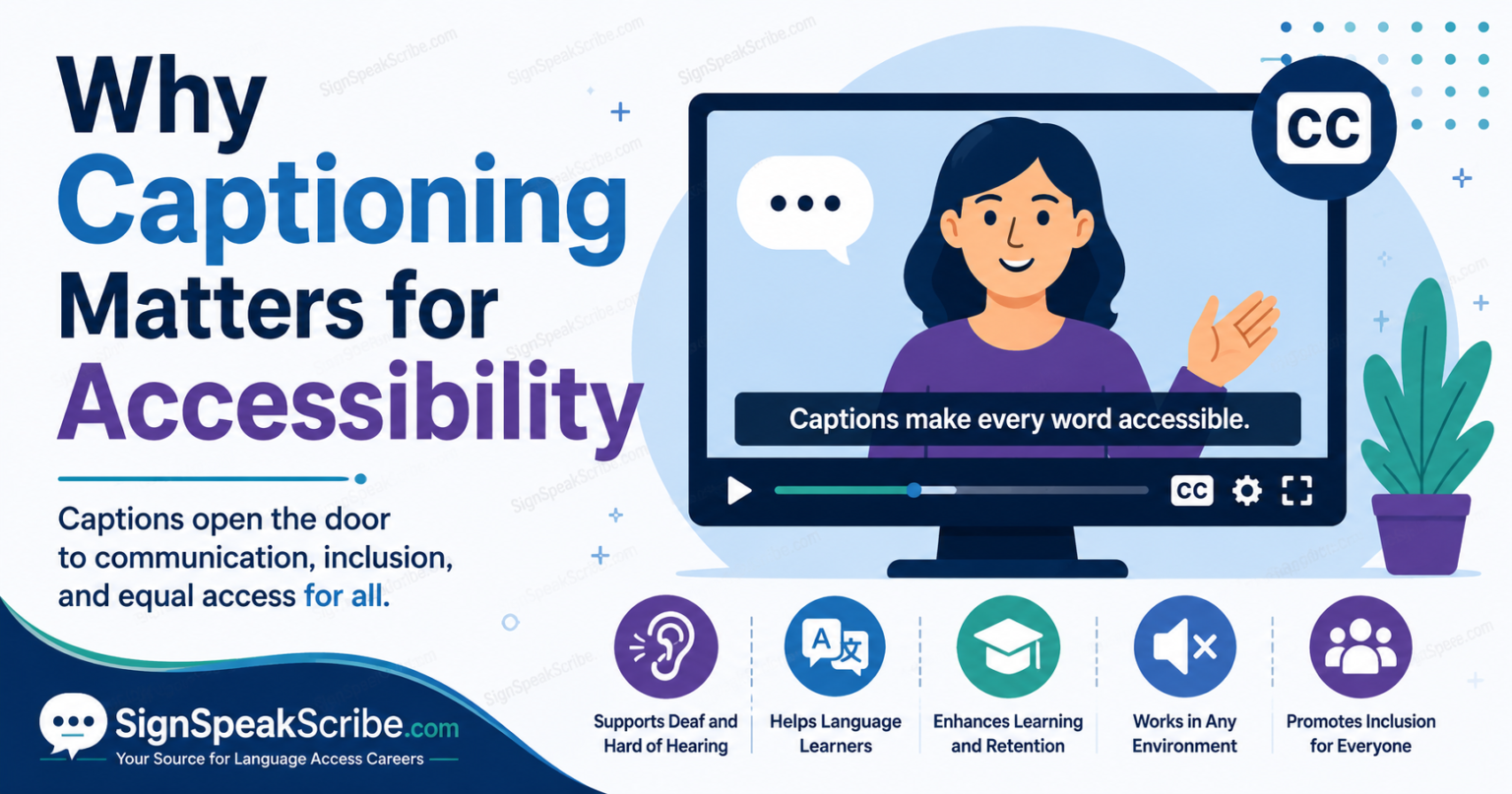
Why captioning matters for accessibility goes far beyond simply displaying words on a screen. Captioning helps millions of people access information, participate in conversations, and enjoy entertainment without barriers. From education and healthcare to business meetings and social media videos, captions create more inclusive experiences for everyone.
As digital communication continues to grow, the importance of captioning has become increasingly clear. Accessible communication is no longer optional—it is essential.
Captioning Provides Equal Access for Deaf and Hard-of-Hearing Individuals
One of the biggest reasons why captioning matters for accessibility is that it allows Deaf and hard of hearing individuals to fully access spoken content.
Captions provide:
- Access to movies and television programs.
- Better understanding during webinars and online meetings.
- Improved participation in classrooms and training sessions.
- Equal access to public announcements and emergency information.
Without captions, many people would be excluded from important information and experiences. Closed captions for accessibility help create a more inclusive society where everyone can participate.
Captioning Benefits More Than Just Deaf and Hard-of-Hearing Audiences
The benefits of captioning extend to a much wider audience.
Captions help:
People Learning English
Non-native speakers can follow conversations more easily and improve language comprehension.
Students
Captions reinforce learning and help students retain information.
People Watching Videos in Quiet or Noisy Environments
Many viewers watch videos without sound in offices, libraries, airports, or public transportation.
Older Adults
Individuals experiencing age-related hearing loss often rely on captions to understand speech clearly.
Social Media Users
Many users scroll through videos with the sound muted. Captions ensure the message is still delivered.
Because of these advantages, captioning services improve communication for people of all backgrounds and abilities.
Captioning Supports Accessibility, Compliance, and Inclusion
Organizations across industries increasingly recognize the importance of captioning.
Captions help organizations:
- Meet accessibility requirements.
- Support diversity, equity, and inclusion initiatives.
- Reach broader audiences.
- Improve user experience.
- Increase engagement with digital content.
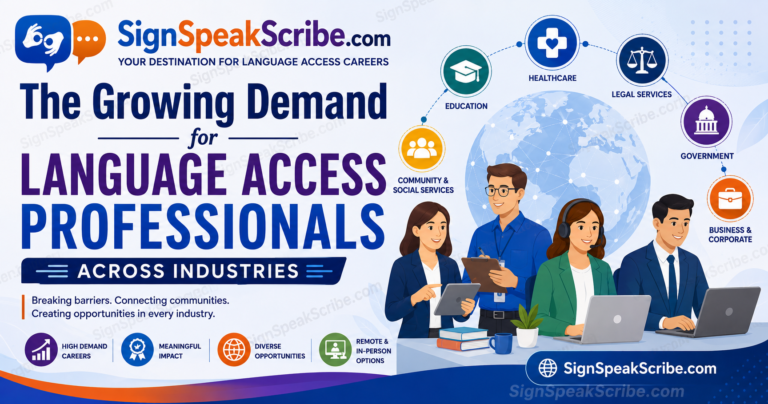
Industries that commonly rely on captioning include:
- Education
- Healthcare
- Government
- Media and entertainment
- Corporate communications
- Conferences and events
Search engines can also index caption text, making videos easier to discover online. This means captioning benefits accessibility while also supporting search engine optimization (SEO).
As organizations continue prioritizing accessible communication, demand for professional captioning services and skilled captioners is expected to remain strong.
Key Takeaways
- Captioning provides equal access to information and communication.
- Deaf and hard of hearing individuals rely on captions to participate fully.
- Captions benefit language learners, students, older adults, and viewers in sound-sensitive environments.
- Organizations use captions to improve accessibility and inclusion.
- Captioning enhances user experience and can support SEO efforts.
Frequently Asked Questions
What is the difference between captions and subtitles?
Captions include spoken dialogue and important audio information such as sound effects and speaker identification. Subtitles primarily translate spoken language and may not include non-speech sounds.
Who benefits from captioning?
Captioning benefits Deaf and hard of hearing individuals, older adults, English language learners, students, and anyone watching videos without sound.
Are captions required for accessibility?
In many situations, captions are required under accessibility laws and regulations. Requirements vary depending on the organization and the type of content.
Why are captions important for businesses?
Captions improve accessibility, expand audience reach, increase engagement, and demonstrate a commitment to inclusion.
Conclusion
Understanding why captioning matters for accessibility is essential in today’s digital world. Captions help remove communication barriers and create equal opportunities for people to learn, work, and engage with content.
Whether in education, healthcare, business, or entertainment, captioning plays a vital role in making communication more accessible and inclusive. As technology continues to evolve, captions will remain an important tool for ensuring that information is available to everyone.
Call to Action
Interested in careers in captioning, transcription, and other language access professions? Learn More with Our Captioner & Transcriptionist Career Guide.
Visit SignSpeakScribe.com to explore career guides, industry resources, and job opportunities designed specifically for language access professionals.