Introduction
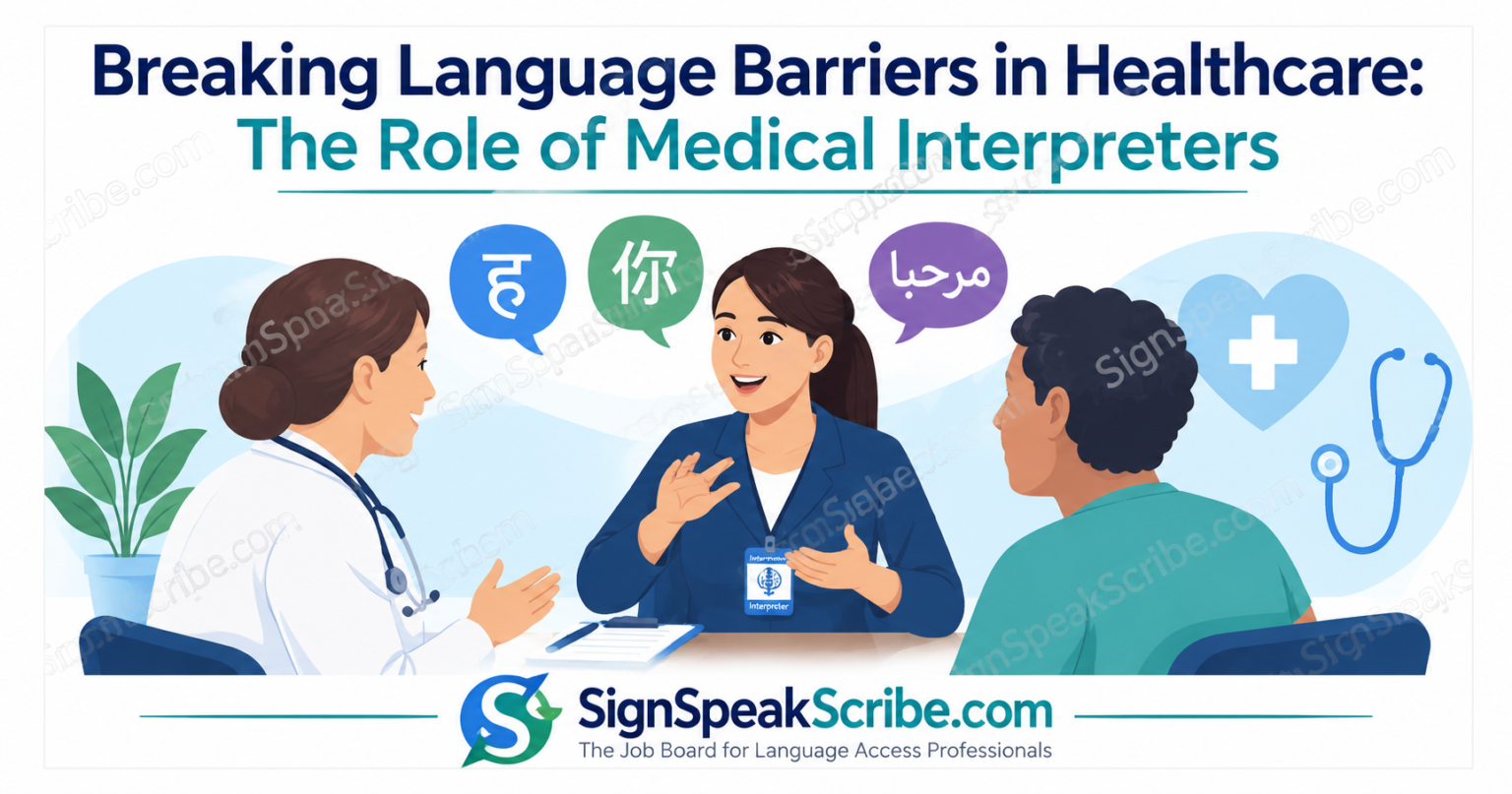
Medical interpreters play a critical role in today’s healthcare system by ensuring patients and healthcare providers can communicate accurately regardless of the language they speak. As communities across the United States become increasingly diverse, hospitals, clinics, emergency departments, and private practices serve patients from a wide range of linguistic and cultural backgrounds.
Clear communication is essential in healthcare. A misunderstanding about symptoms, medications, allergies, or treatment instructions can have serious consequences. Medical interpreters help eliminate these communication barriers, making healthcare more accessible, equitable, and safe for everyone.
Whether working in person, by telephone, or through video remote interpreting (VRI), medical interpreters are an indispensable part of delivering quality patient care.
Why Language Access Matters in Healthcare
Every patient deserves to fully understand their medical condition, treatment options, and healthcare decisions. Patients with Limited English Proficiency (LEP) often face significant challenges when communicating with healthcare providers.
Without qualified interpretation, patients may experience:
- Misdiagnosis
- Medication errors
- Delayed treatment
- Difficulty understanding informed consent
- Poor follow-up care
- Lower patient satisfaction
Professional medical interpreters bridge these communication gaps, ensuring both patients and providers understand one another accurately.
Effective communication not only improves patient outcomes but also strengthens trust between healthcare professionals and the communities they serve.
What Medical Interpreters Actually Do
Medical interpretation involves much more than translating words from one language to another.
Professional medical interpreters are trained to:
- Interpret conversations accurately and completely
- Maintain strict confidentiality
- Remain impartial
- Understand complex medical terminology
- Navigate culturally sensitive situations
- Facilitate communication without adding personal opinions
They assist during many types of medical encounters, including:
- Primary care appointments
- Emergency room visits
- Surgical consultations
- Mental health evaluations
- Physical therapy
- Prenatal care
- Pediatric appointments
- Oncology treatments
- Rehabilitation services
Their expertise helps ensure that healthcare providers receive accurate information while patients clearly understand diagnoses and treatment plans.
Improving Patient Safety
Patient safety is one of the greatest benefits of professional medical interpretation.
Miscommunication can result in:
- Incorrect medications
- Missed allergies
- Incomplete medical histories
- Improper follow-up instructions
- Missed symptoms
- Unnecessary testing
Medical interpreters reduce these risks by facilitating accurate communication throughout the patient’s healthcare journey.
When patients fully understand discharge instructions, medication schedules, dietary restrictions, and follow-up appointments, they are more likely to comply with treatment recommendations and experience better health outcomes.
Supporting Healthcare Providers
Medical interpreters also improve efficiency for physicians, nurses, therapists, and other healthcare professionals.
Instead of relying on family members or bilingual staff without formal interpreter training, providers can communicate confidently knowing the message is being conveyed accurately.
Professional interpreters help healthcare teams:
- Save valuable appointment time
- Reduce misunderstandings
- Improve patient engagement
- Increase provider confidence
- Deliver culturally appropriate care
This allows clinicians to focus on what they do best—providing exceptional medical care.
The Importance of Cultural Competence
Language is only one part of communication.
Medical interpreters often help healthcare providers recognize cultural differences that may influence a patient’s understanding of illness, treatment preferences, or healthcare decisions.
Examples include:
- Cultural beliefs about pain management
- Family involvement in medical decisions
- Religious considerations
- Dietary practices
- End-of-life discussions
While interpreters remain neutral and do not advocate for either party, their cultural awareness can help foster respectful and effective communication.
Growing Demand for Medical Interpreters
The demand for qualified healthcare interpreters continues to grow.
Several factors contribute to this increasing need:
- More culturally diverse communities
- Expansion of telehealth services
- Federal language access requirements
- Increased awareness of health equity
- Growing emphasis on patient-centered care
Healthcare organizations increasingly recognize that investing in qualified interpreters leads to better patient experiences and improved clinical outcomes.
As healthcare systems expand language access programs, opportunities continue to grow for trained medical interpreters across hospitals, outpatient clinics, government agencies, and private healthcare organizations.
Skills Every Medical Interpreter Needs
Successful medical interpreters combine language proficiency with specialized professional skills.
Important competencies include:
- Excellent listening skills
- Advanced bilingual fluency
- Medical terminology knowledge
- Ethical decision-making
- Strong memory and concentration
- Cultural competence
- Professionalism
- Emotional resilience
- Attention to detail
Many employers also value nationally recognized certifications and ongoing professional development.
Technology Is Expanding Access
Technology has transformed how interpretation services are delivered.
Today, many healthcare organizations use:
- Video Remote Interpreting (VRI)
- Over-the-phone interpreting (OPI)
- Secure telehealth platforms
- Mobile interpreting applications
These technologies allow healthcare facilities to quickly connect patients with qualified interpreters, even in rural areas or during emergencies.
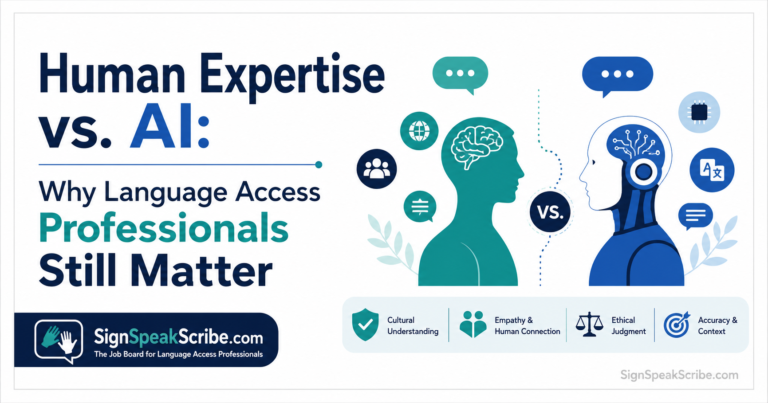
While technology improves accessibility, skilled human interpreters remain essential for handling complex conversations, emotional situations, and culturally nuanced communication.
Key Takeaways
- Medical interpreters are essential for safe and effective healthcare communication.
- Accurate interpretation reduces medical errors and improves patient outcomes.
- Healthcare interpreters support both patients and medical professionals.
- Cultural competence enhances communication beyond language alone.
- Demand for qualified medical interpreters continues to grow across the healthcare industry.
- Technology expands access to interpretation services but does not replace trained professionals.
Frequently Asked Questions
What is the difference between a medical interpreter and a translator?
A medical interpreter facilitates spoken or signed communication during healthcare encounters, while a translator converts written medical documents from one language to another.
Why shouldn’t family members interpret during medical appointments?
Family members may unintentionally omit information, misunderstand medical terminology, or introduce personal bias. Professional interpreters are trained to provide accurate, confidential, and impartial communication.
Where do medical interpreters work?
Medical interpreters work in hospitals, clinics, emergency departments, rehabilitation centers, behavioral health facilities, public health agencies, and increasingly through remote interpreting platforms.
Is medical interpreting a growing career?
Yes. As healthcare organizations prioritize language access and patient-centered care, the need for qualified medical interpreters continues to increase across the United States.
Conclusion
Breaking language barriers is essential to delivering high-quality healthcare. Medical interpreters ensure that every patient—regardless of the language they speak—has the opportunity to communicate effectively with healthcare providers, understand their treatment options, and make informed decisions about their care.
Beyond translating words, medical interpreters foster trust, improve patient safety, support healthcare teams, and contribute to more equitable health outcomes. As healthcare continues to evolve, the role of professional interpreters will remain indispensable in creating a more accessible and inclusive healthcare system.
Call to Action
Are you a medical interpreter looking for your next career opportunity?
SignSpeakScribe.com connects healthcare organizations with qualified language access professionals across the United States. Whether you’re seeking full-time, part-time, contract, or remote interpreting positions, explore new opportunities and advance your career on the job board built specifically for language access professionals.